A Pattern
We try to define ‘art’ in a way that can accommodate all of the various art forms that exist in our day, only to discover not long after that art history has moved in yet another direction rendering the definition obsolete. The emergence of “pure” or “absolute” music rendered Representationalism dated, in that there is no plausible sense in which a “piano concerto #5” or “symphony #37” is representational. The Beauty Theory was developed to remedy this problem, but quickly became dated with the appearance on the art scene of the “ugly art” of the Romantic period. Expressivism a la Tolstoy seemed to correct for this, but not long after, in painting and sculpture, artists began making things that were largely or entirely abstract and with regard to which the expressivist idea of “communicating emotions” seemed to make little sense (and to miss the point).
A Word on Definitions
It is worth saying something about definitions, which can function both prescriptively and descriptively.
Take the definition of the word ‘square’, which is: “a four-sided figure with sides of equal length and interior angles of 90 degrees.” Now, this both describes squares – and only squares – and prescribes the correct use of the word ‘square’. Apply it to a triangle and you have made a mistake.
One might want to say the same thing about ‘art’ and people have done so. ‘Art’ is defined in terms of representation, so anything that is non-representational is not legitimately called “art.” Or ‘art’ is defined in terms of emotional expression, so anything that does not express emotions is not legitimately called “art.” You get the drift.
With each major revolution in art history, there were those who resisted the new developments and who would endeavor to “enforce” the prevailing definition of ‘art’ in a prescriptive fashion. The trouble is that if the relevant institutions and personnel and the broader culture treat these new forms as art, it is very difficult to counter this by appealing to a definition. With the emergence of abstraction in painting, many of a more conservative bent wanted to deny that it is art and would invoke one of the older definitions in order to rule it out. But what success could they have if critics were writing about abstract paintings as if they were art, artists were presenting abstract paintings as if they were art, galleries and museums were displaying abstract paintings as if they were art, etc.? Could the mere brandishing of a definition stop all of that? Of course not.
The effort to employ any prevailing definition of ‘art’ prescriptively has never prevented nor reversed any art historical development. With regard to this term and its use, then, we will want to think of the different definitions in descriptive rather than prescriptive terms.
Abstraction
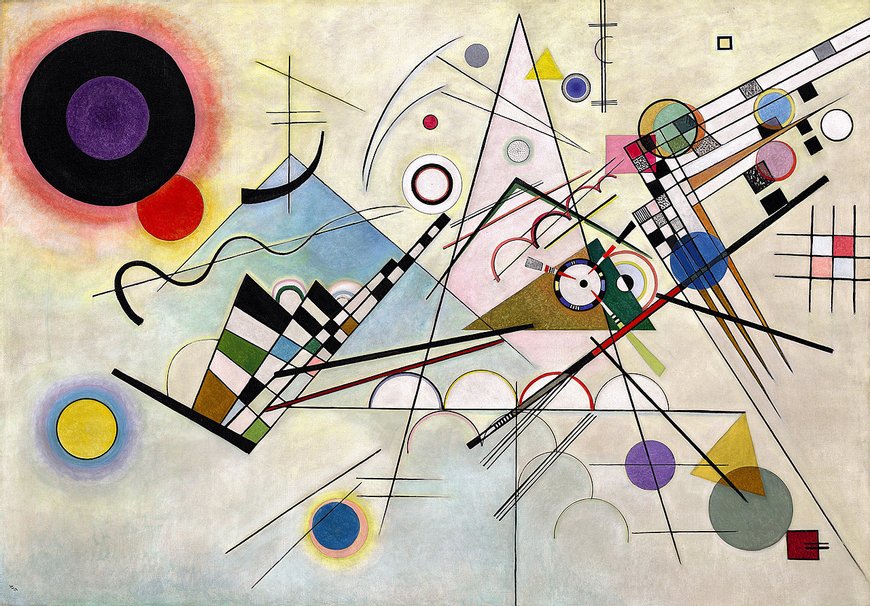
We don’t go from representational paintings to abstraction in one fell swoop. It’s not as if on Tuesday, there was this …
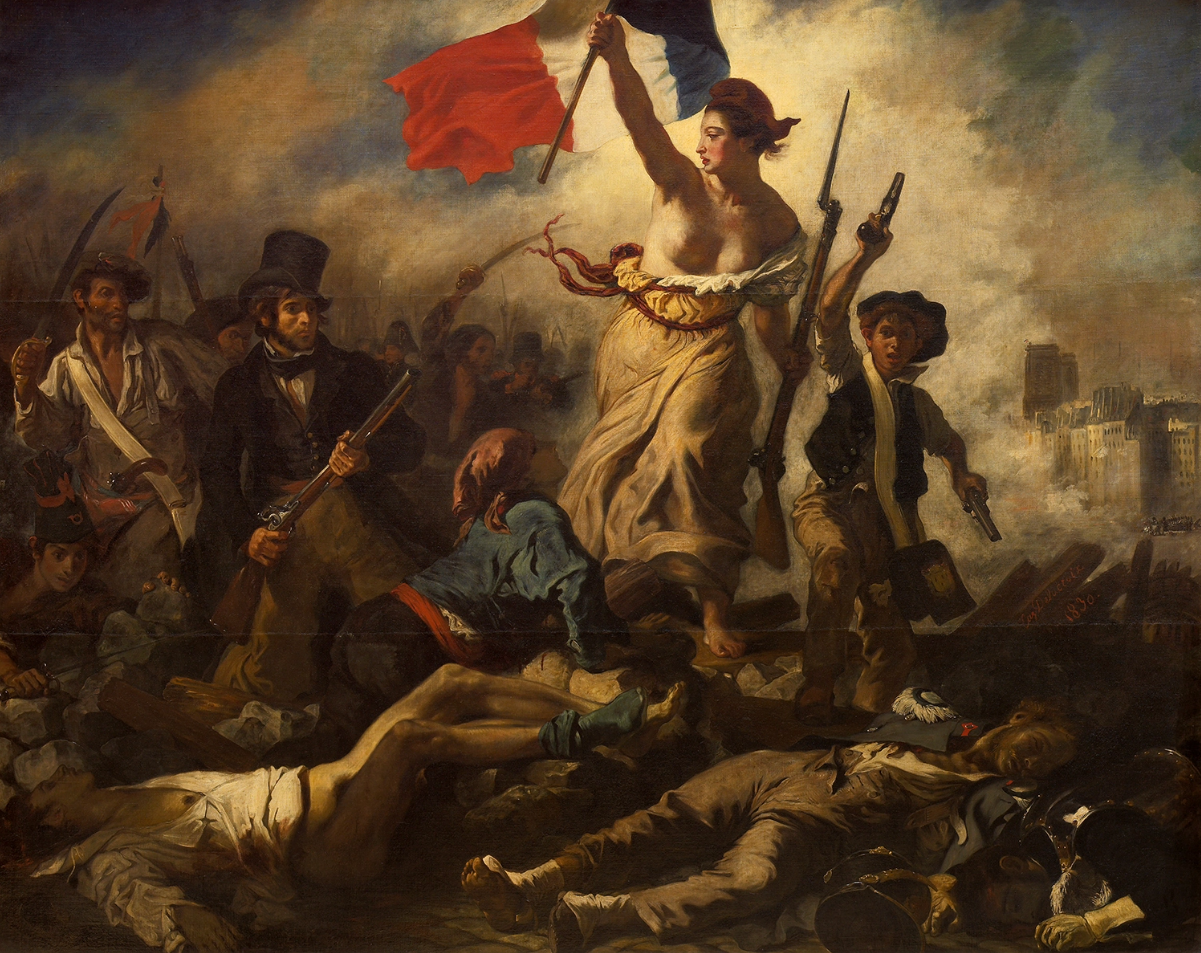
… and then on Wednesday, this:
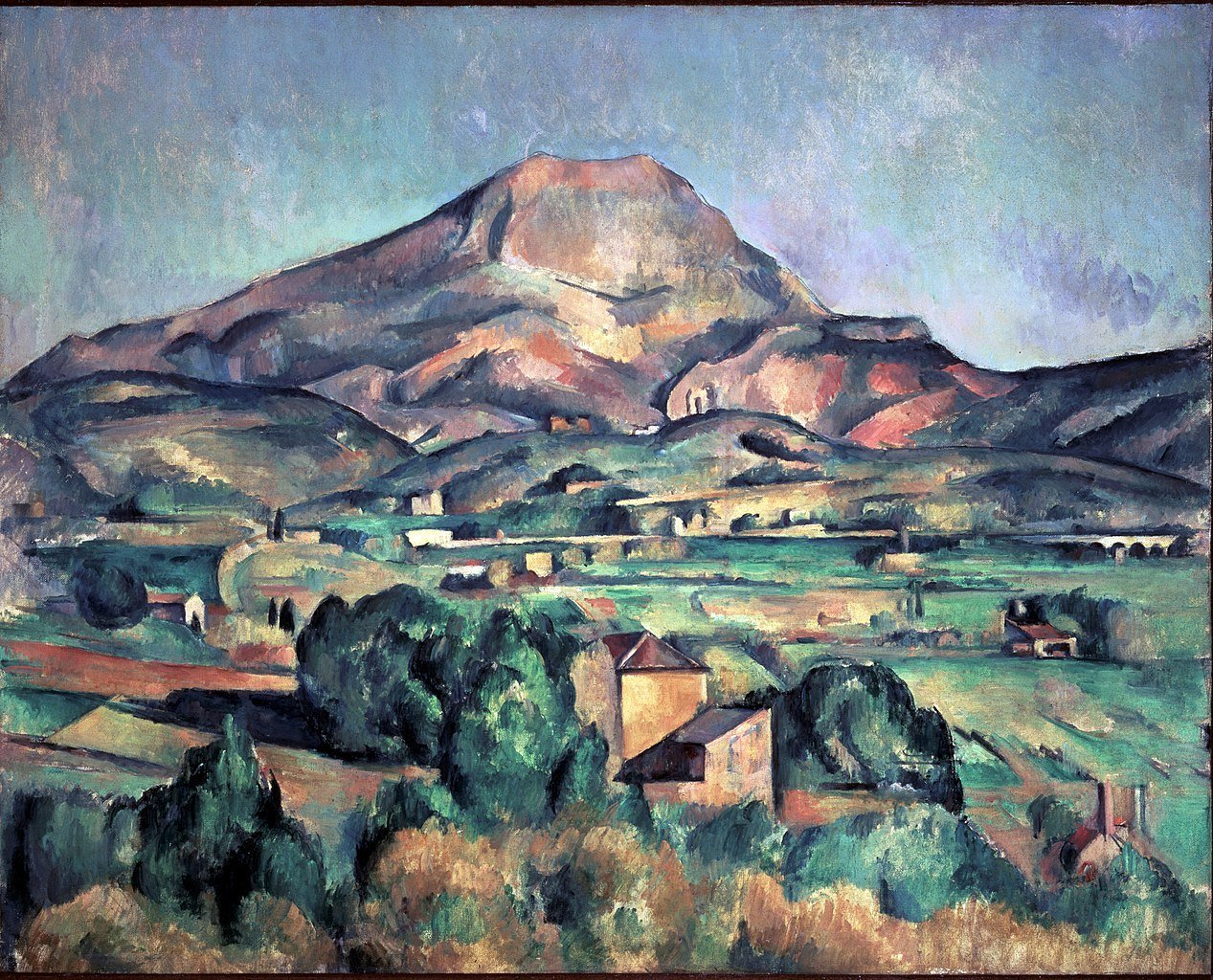
The introduction of abstraction into painting was gradual, with an early example being Paul Cezanne, who integrated cubist elements into landscapes and still life paintings.
The reasons for the move towards abstraction are many, but one significant one was the invention of the camera. With a device that could produce images with unprecedented levels of fidelity and verisimilitude, painters were inclined to do things through painting that could not be accomplished by way of a photograph.
There also were significant sociocultural reasons for this turn, especially the growing alienation between artists and mainstream culture. The emergence of abstraction in painting coincided with the retreat of artists into so-called “Bohemia,” and when I was still teaching Aesthetics, we would talk about this issue in detail at the end of the course in the context of Clement Greenberg’s essay “Avant Garde and Kitsch” (1939).
When Clive Bell wrote his book, Art (1914), abstract painting was still struggling for respect. Beyond presenting a philosophy of art, then, the book is an impassioned brief on behalf of the new art form.
Aesthetic Experience/Significant Form
Bell defined ‘art’ in terms of a distinctive experience that it produces. One of the problems with the earlier Beauty theory was that there are many things that are beautiful and yet which are not art, so to define ‘art’ in terms of beauty one would need to specify “artistic beauty,” which would be circular. (We still wouldn’t know what ‘art’ connoted: ‘Art’ = that which produces an experience of artistic beauty leaves us not knowing what either ‘art’ or ‘artistic’ mean.)
Bell maintained that ‘art’ is defined in terms of aesthetic experience. That which produces an aesthetic experience is art. Of course, this leaves us needing a definition of ‘aesthetic experience’.
At first it seemed that Bell would define ‘aesthetic experience’ as the distinctive experience we have of art which is obviously circular. But he went well beyond that. In his view, aesthetic experience is the truly disinterested engagement with a thing’s perceptible features and specifically, with an object’s significant form.
The idea goes something like this: certain arrangements of lines, colors, shapes, etc., when contemplated disinterestedly (more on this in a moment), produce a unique and distinctive form of experience/pleasure that Bell characterized as aesthetic. Artworks, then, are those things that have significant form, the disinterested engagement with which produces aesthetic experience/pleasure.
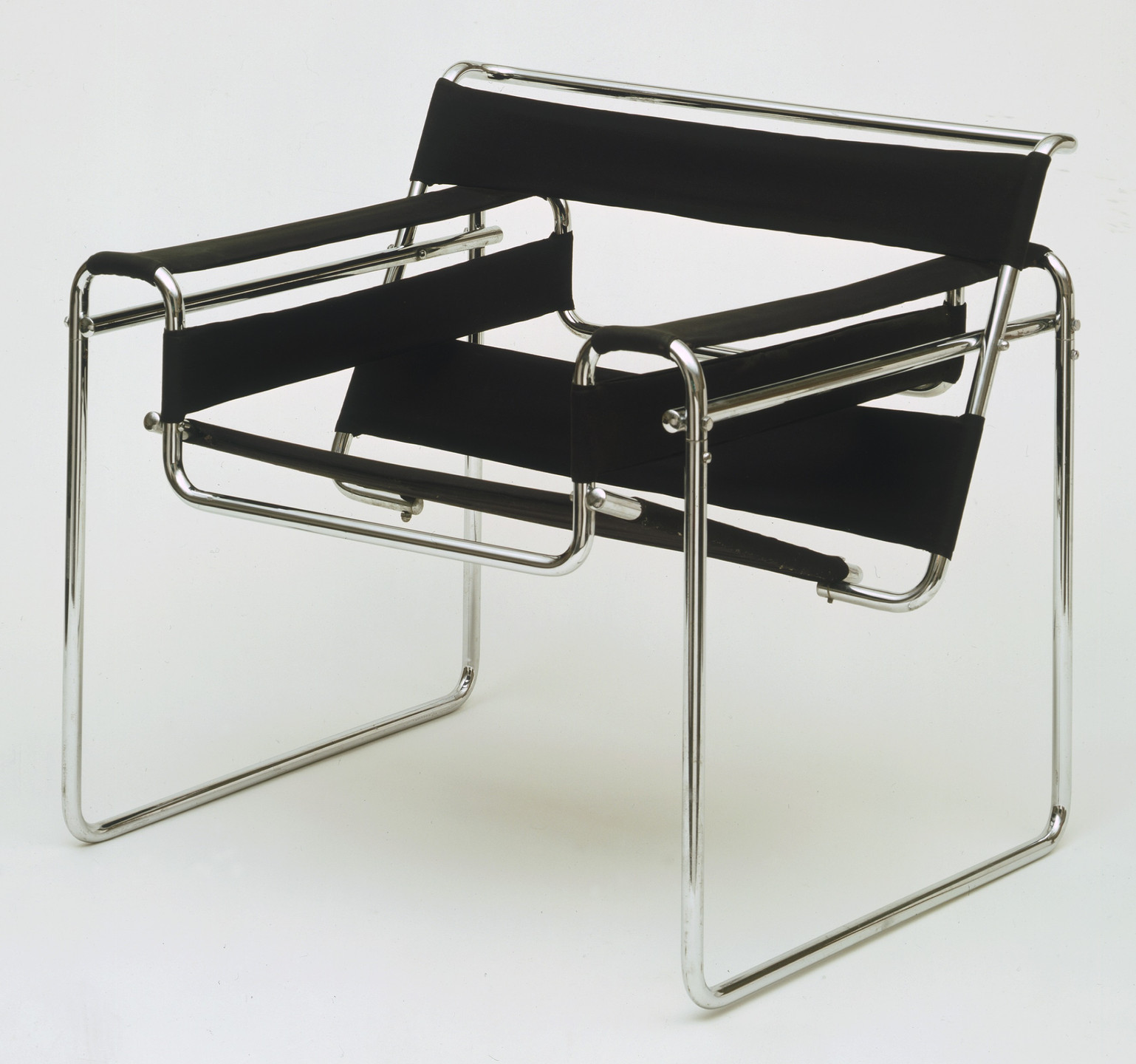
By ‘disinterested engagement with’, Bell means perceptual engagement absent any conceptualization. So, to disinterestedly engage with a chair would be to experience it solely as an arrangement of formal elements: materials; colors; textures; lines; shapes; etc., but not as a chair.
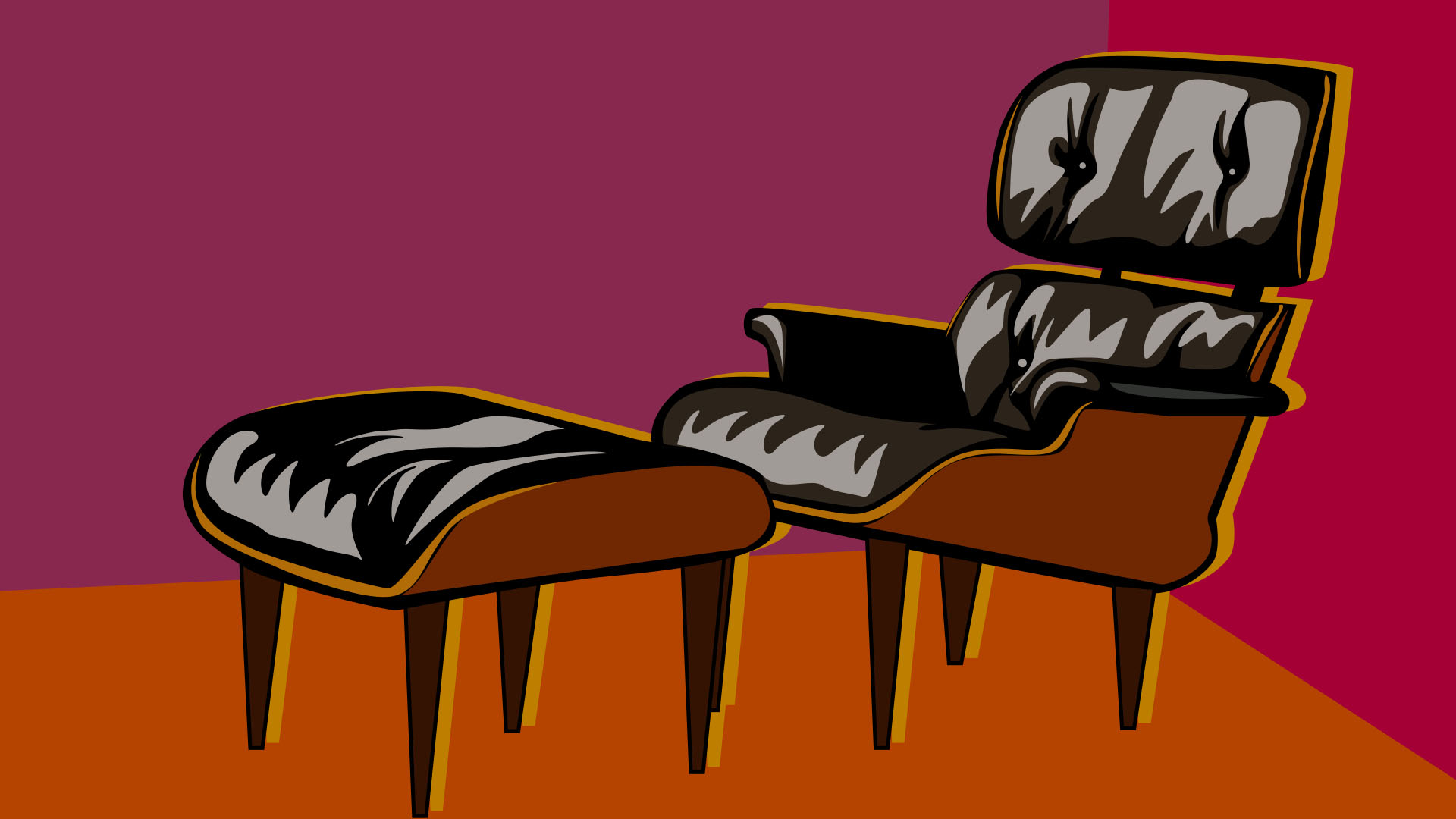
Bell’s explanation was as follows: If I experience the chair as a chair, then any positive or negative reactions I have to it will be related to its role and function. Is it comfortable? Does it support my back? Etc. But these experiences and valuations are not aesthetic and have nothing to do with art. I mention the example of a chair because the early 20th century saw the emergence of the Bauhaus, an architectural and interior design movement that attempted to combine the functional with the aesthetic: to make buildings and furnishings that were simultaneously artworks and things to use. So, apropos chairs, here is a classic Bauhaus chair (the so-called “Wassily Chair”). Hopefully, you can see how it endeavors to do both things just described and the difference between what Bell would call experiencing it/evaluating it aesthetically (as an artwork), vs. experiencing it/evaluating it functionally (as a chair).
The Metaphysical Hypothesis
The last thing to discuss is what Bell calls the “metaphysical hypothesis.”
You might wonder why it is important that we have aesthetic experience and thus, why we need art. In the case of Tolstoy’s theory, the significance of art beyond the personal pleasure it provides is quite clear: art is a crucial element in the creation and maintenance of human society, because it allows us to communicate our emotions to one another. But the kind of experience Bell envisages art as providing is rarefied and abstract, so the question of why it matters is a fair one.
Bell maintained that when we experience something aesthetically, because we attend only to its intrinsic properties and screen out all of the contingent uses, functions, and goods we associate with it, we come the closest to experiencing it as a “thing in itself” as possible. And what this means is, we come closest to experiencing it as it exists in reality. (Bell, here, was clearly channeling Kant.) Art for Bell, then, is our best way of tapping into the reality that exists independently of our conceptualization of the world.
What is the significance of anything as an end in itself? What is that which is left when we have stripped a thing of all its associations…? What but that which philosophers used to call “the thing in itself” and now call “ultimate reality”? Shall I be altogether fantastic in suggesting…that the significance of the thing in itself is the significance of Reality?